
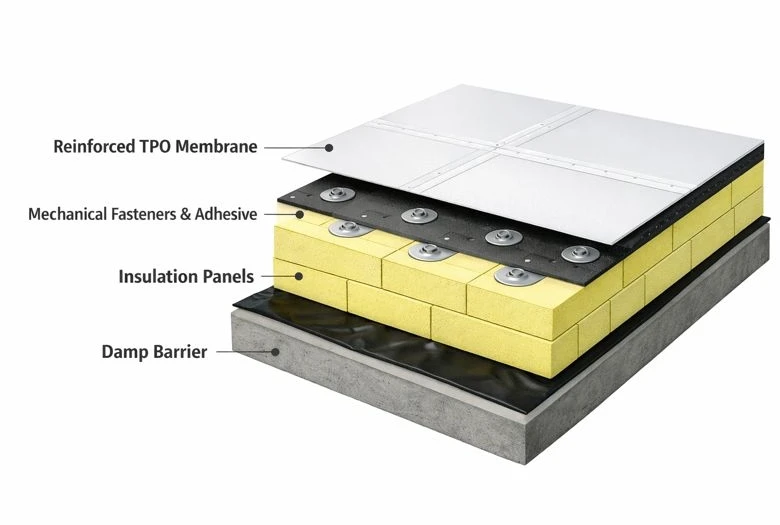
Reinforced TPO Membrane
A sheet with internal polyester reinforcement for the main roof area. Choose a grade specified for the mechanically fastened or fully adhered assembly.
View reinforced TPO
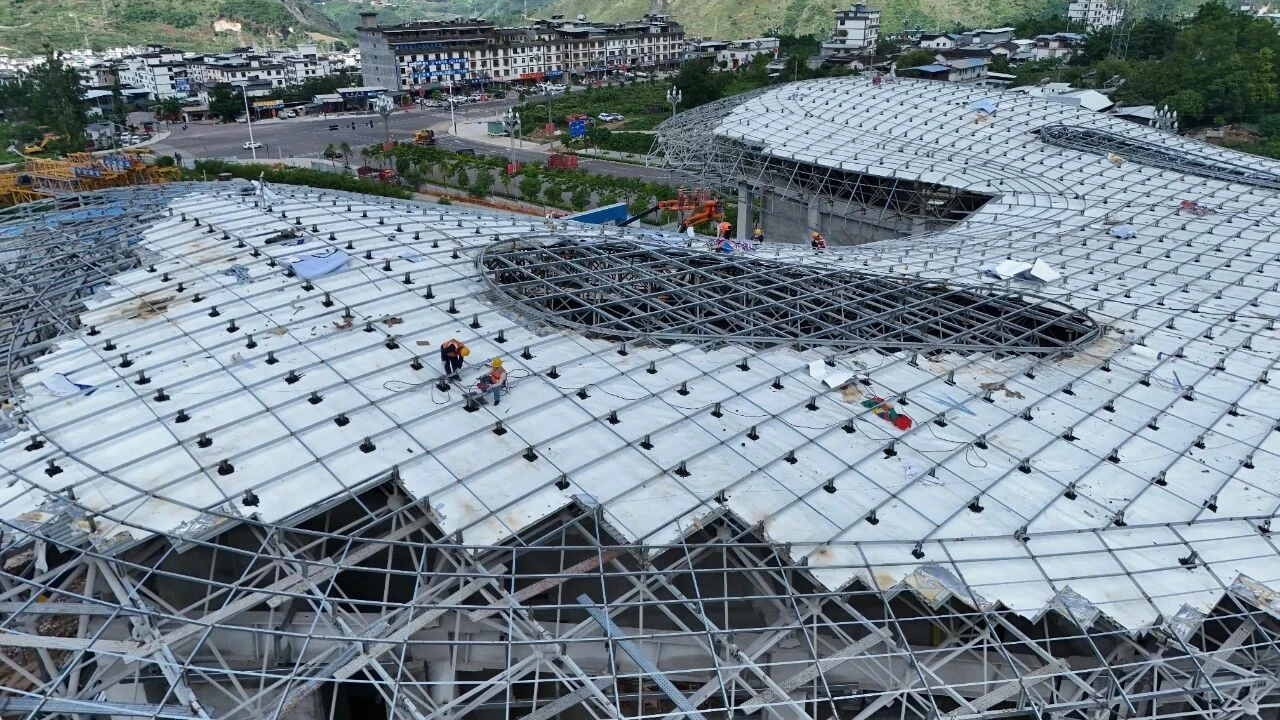
Oseaguard manufactures thermoplastic polyolefin (TPO) membranes for commercial and industrial low-slope roofs. Choose a roof-field membrane by construction and thickness, or find a flexible sheet for flashing and details.
Start with the roof field or detail you need to waterproof. Then check which membrane grade fits the specified attachment method.
A sheet with internal polyester reinforcement for the main roof area. Choose a grade specified for the mechanically fastened or fully adhered assembly.
View reinforced TPO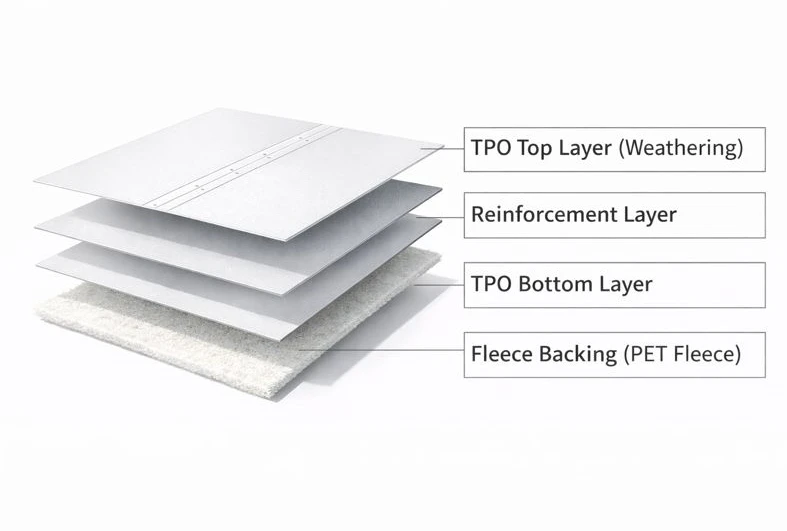
Polyester fleece is bonded to the underside of the sheet. Consider this option for adhered systems and suitable reroofing projects with a compatible substrate and adhesive.
View fleece-backed TPO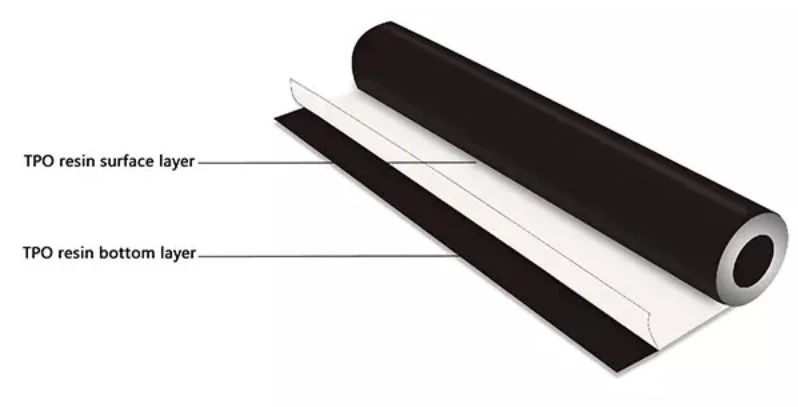
A flexible, homogeneous sheet for flashing around penetrations, corners and transitions. Use it alongside the specified roof-field membrane.
View non-reinforced TPOInternal reinforcement and fleece backing describe different layers. Some fleece-backed grades also contain reinforcement.
Choose the units used in your project specification. Confirm the grade, nominal thickness and roll dimensions before ordering.
Unit conversions are approximate. For example, 60 mil converts to about 1.52 mm. A sheet specified as 1.5 mm has its own nominal thickness and product data.
TPO roofing sheets are joined at the overlaps by hot-air welding. The attachment method is selected for the roof deck, wind-uplift design and specified assembly.
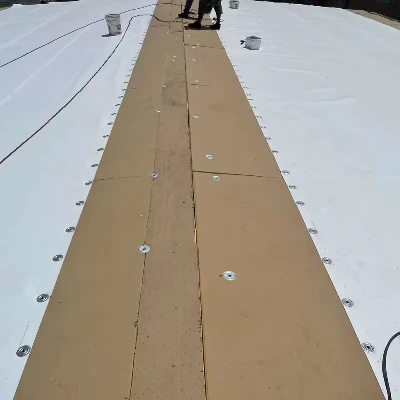
Fasteners and plates secure the membrane to the assembly. The system design determines the fastener layout for the deck and wind loads.
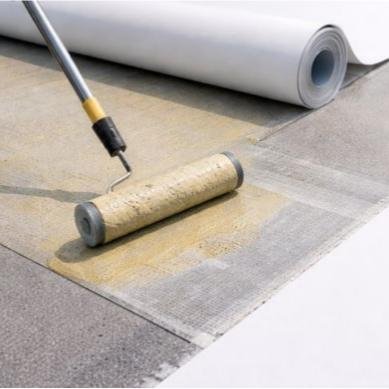
An adhesive bonds the sheet to a suitable substrate or cover board. Confirm the membrane backing, adhesive and substrate compatibility.
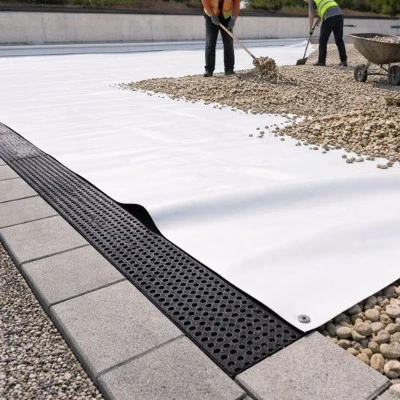
Ballast holds the membrane in place in a designed roof assembly. Verify roof load capacity and the suitability of the entire system.
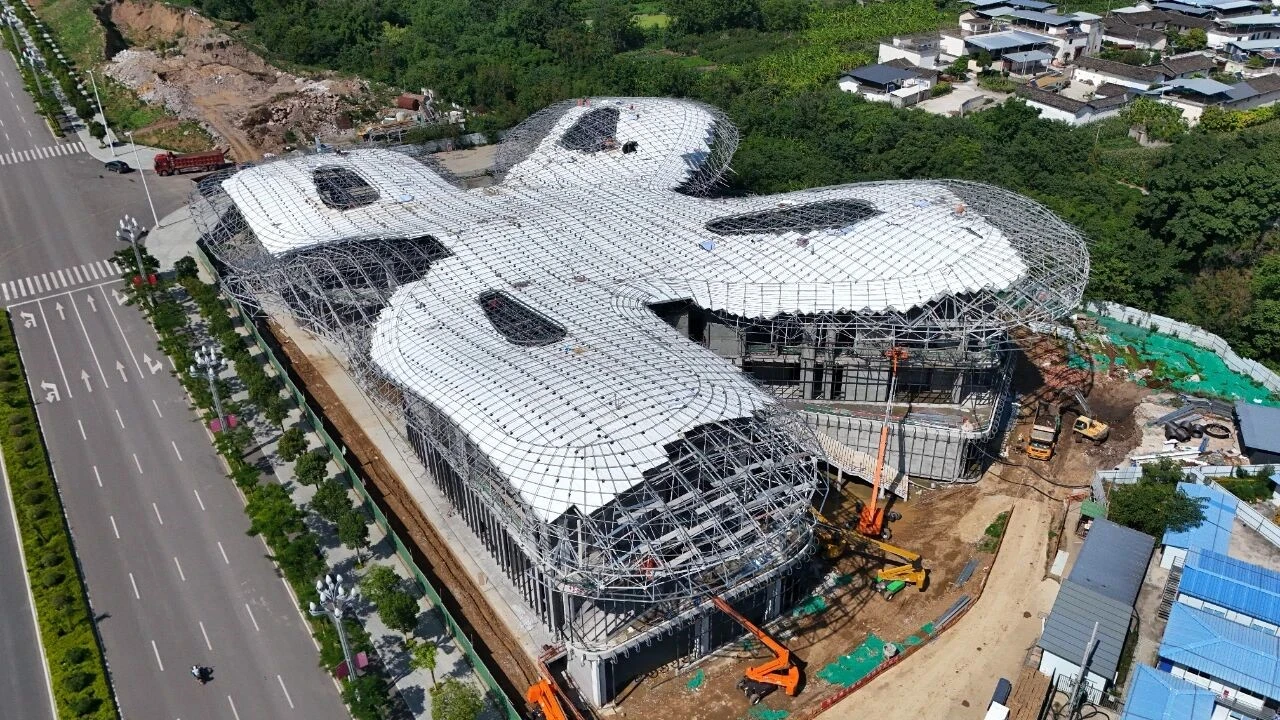
Low-slope roof fields, parapets and penetrations for commercial buildings.
Large roof areas where deck type, fastening layout and details at roof equipment shape the specification.
Replacement or recover work where the condition of the existing roof and substrate compatibility guide system selection.
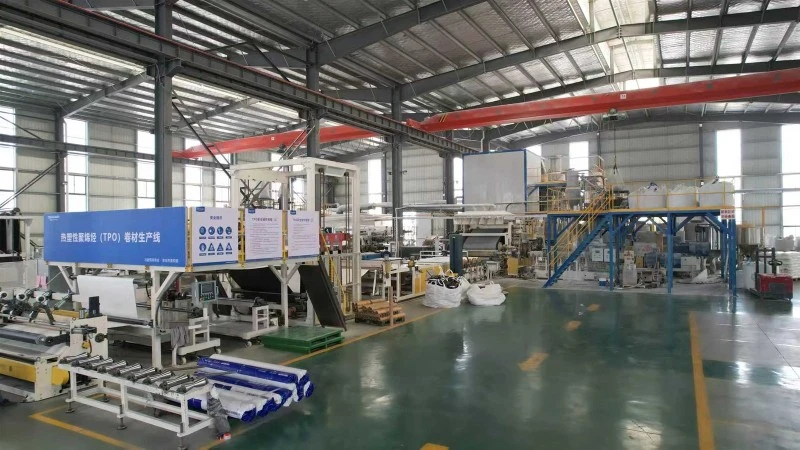
Oseaguard’s Huai’an factory has four dedicated TPO membrane production lines. Request documents for the exact grade and thickness you plan to specify.
Questions to settle before specifying a grade or requesting a quote.
Use the grade called for by the roof assembly. Reinforced sheets are commonly used for the main roof area, fleece backing is an option for compatible adhered builds, and non-reinforced sheets are used for flashing and details.
60 mil is approximately 1.52 mm by unit conversion. Check the stated nominal thickness and technical data sheet for the grade required by your specification.
Some roof assemblies can be recovered. Ask your project team to assess the existing layers, moisture, deck condition and attachment requirements before choosing a recover system.
Send the roof area or order quantity, deck or substrate, preferred grade and thickness, attachment method, delivery country and any project-specific documentation requirements.
Tell us what you are installing and where the material needs to go. Select TPO waterproof membrane in the form and include any thickness or attachment method already specified.