
Pond Floors and Lagoons
Specify liquid service, access for deployment and welding, and the subgrade or cushioning shown in the lining section.
Oseaguard smooth HDPE geomembrane is a polyethylene liner for engineered containment. Its smooth welding surfaces suit long field seams across pond floors, landfill cell bases and other broad areas. Specify the thickness, roll layout and quality checks for the full liner system.
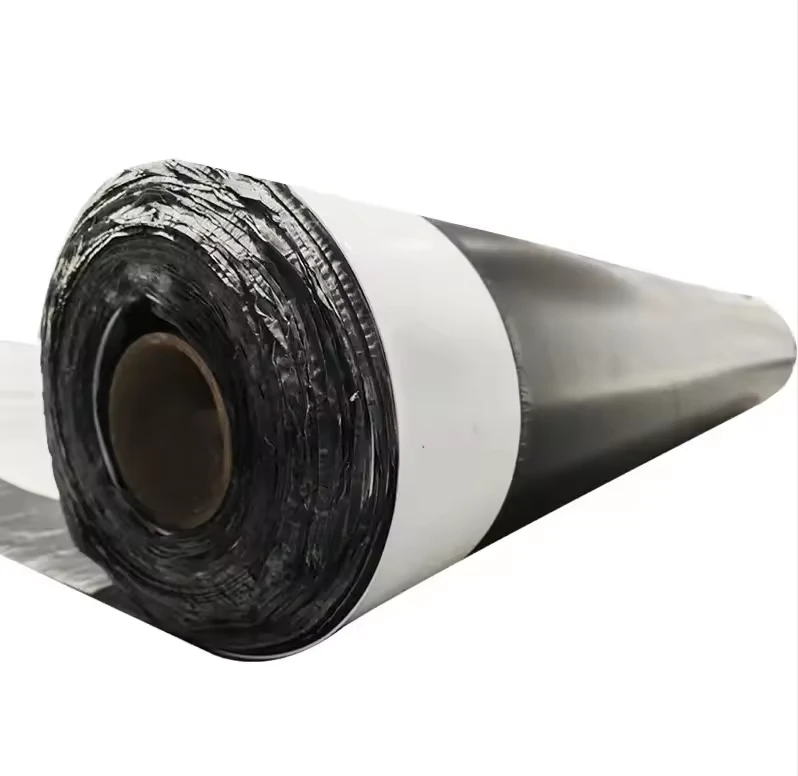
The official smooth product page lists three nominal thickness examples. Start with the design thickness, then compare roll dimensions, sheet test data and expected seam locations against the site drawings.
| Property | Product reference |
|---|---|
| Material and face | High-density polyethylene sheet with a smooth finish |
| Published nominal thickness examples | 1.0, 1.5 and 2.0 mm |
| Roll width and length | The HDPE range lists 5.8 and 7.0 m width references. Confirm available dimensions for the selected roll. |
| Field joining | Hot-wedge fusion for long seams and extrusion welding for compatible details or repairs |
| Material data to request | Thickness and tolerances, yield and break properties, puncture resistance, stress crack resistance and oxidation data as specified |
| Quality records | Roll and batch identification, test reports and field seam inspection requirements |
Where GRI-GM13 or China’s GB/T 17643-2025 is named in the specification, request evidence for the exact grade. Confirm chemical compatibility for the expected liquid, concentration and temperature.
Use a panel layout to estimate overlaps and locate seams around penetrations and corners. Review the prepared subgrade, cushioning where needed, and transitions to textured slope panels. Include the field weld inspection plan, such as air-channel checks where applicable and seam strength sampling under the project’s quality plan.
Match the surface to the layout and stability requirements. Call out where the liner will be exposed and what lies above and below it.
Specify liquid service, access for deployment and welding, and the subgrade or cushioning shown in the lining section.
Coordinate the HDPE sheet with the specified clay or geosynthetic clay liner, leachate drainage and protection layers.
Provide the stored material, concentration, temperature and any special testing or documentation required for the containment system.
Choose thickness from the project design, including subgrade condition, puncture risk, exposure and inspection requirements. The published values are catalog examples.
The slope design determines the surface. Where interface shear controls stability, compare suitable smooth or textured surfaces with the actual adjoining materials.
Start with the panel layout and total lined area. Include laps, slope area, anchor trenches and transitions, then check roll length and handling limits.
Select HDPE geomembrane in the form and include Smooth HDPE Geomembrane in your project details. Send the following information with your request.