
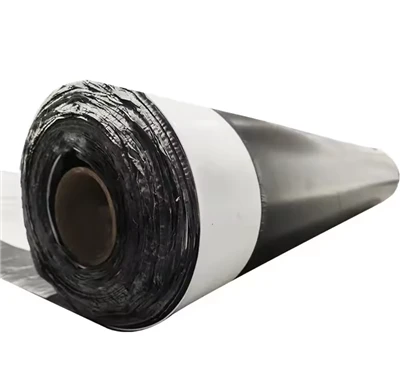
Smooth HDPE Geomembrane
A smooth-sheet liner for containment areas where the design calls for a smooth interface. Confirm seam and protection details for the project.
View smooth HDPE
Oseaguard supplies high-density polyethylene (HDPE) geomembranes for environmental containment and specified below-grade waterproofing systems. Compare liner surfaces and constructions before requesting a material quote.
Smooth and textured describe the liner surface. Self-adhesive and composite describe how the sheet is built for a particular system.
A smooth-sheet liner for containment areas where the design calls for a smooth interface. Confirm seam and protection details for the project.
View smooth HDPE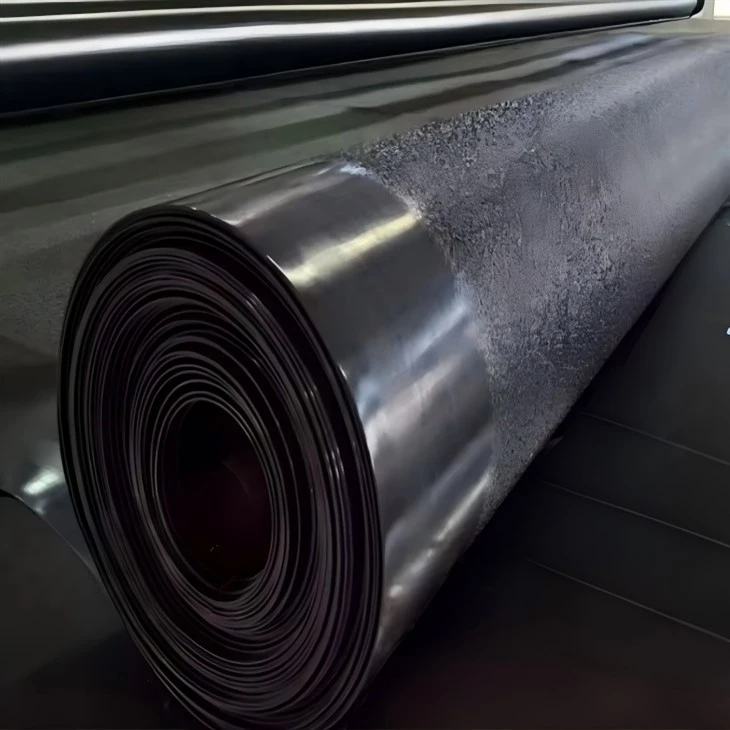
A roughened surface can increase interface friction. Consider this grade for slopes, subject to interface shear testing with the actual adjoining materials.
View textured HDPE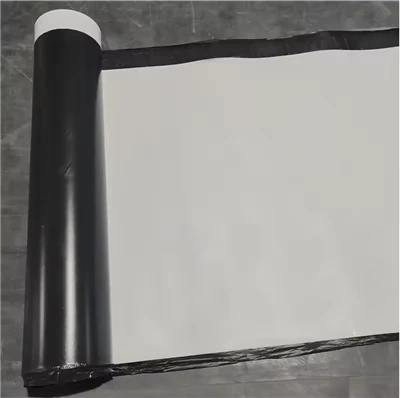
An HDPE sheet with factory-applied adhesive backing for specified bonded waterproofing systems. Confirm the substrate and joint treatment.
View self-adhesive HDPE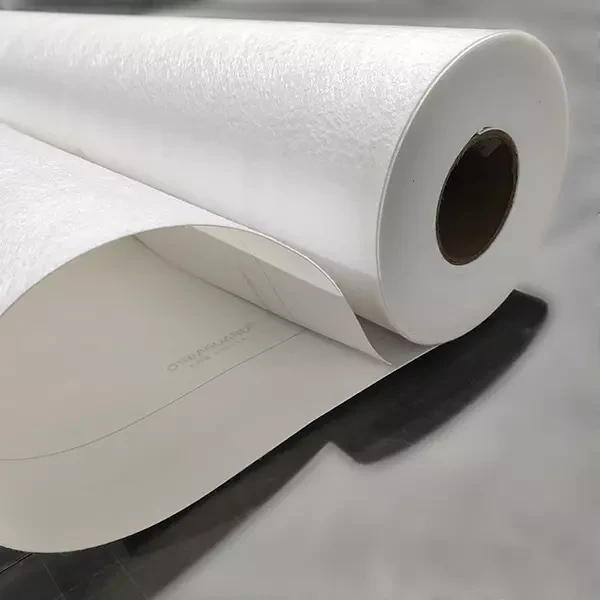
An HDPE barrier combined with functional layers such as geotextile. Specify the layer construction and membrane core for the project.
View composite HDPEUse these published catalog references as a starting point. Ask for the data sheet and roll schedule for the specified grade and surface.
| Specification | Catalog reference |
|---|---|
| General thickness range | 0.5–3.0 mm in the HDPE category listing |
| Smooth and textured examples | 1.0, 1.5 and 2.0 mm nominal thicknesses |
| Listed roll widths | 5.8 or 7.0 m. Confirm the grade and roll length. |
| Self-adhesive and composite grades | Confirm the HDPE sheet thickness and complete layer construction. |
Choose your project type to see the main selection questions and related waterproofing systems.
Request documents for the grade and thickness you intend to specify. Include any applicable standard and the seam or interface testing requirements in your inquiry.
Review a textured surface where the design calls for greater interface friction, such as on side slopes. Use shear test data for the actual liner and adjoining layers.
The catalog shows nominal examples for smooth and textured grades. For composite or self-adhesive products, confirm the thickness of the HDPE layer and any other layers on that grade’s data sheet.
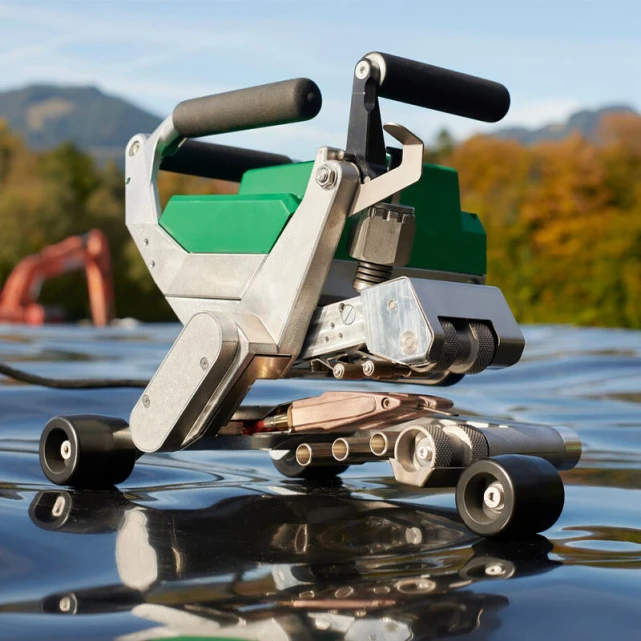
Conventional smooth and textured liners are typically field-welded. Follow the approved joining and seam inspection plan for the selected system.
Send the project application, plan area, slope or substrate details, liner surface and thickness, quantity, destination and any test requirements.
Select HDPE geomembrane in the form. Tell us whether you are lining a containment area or specifying a bonded or composite waterproofing system.